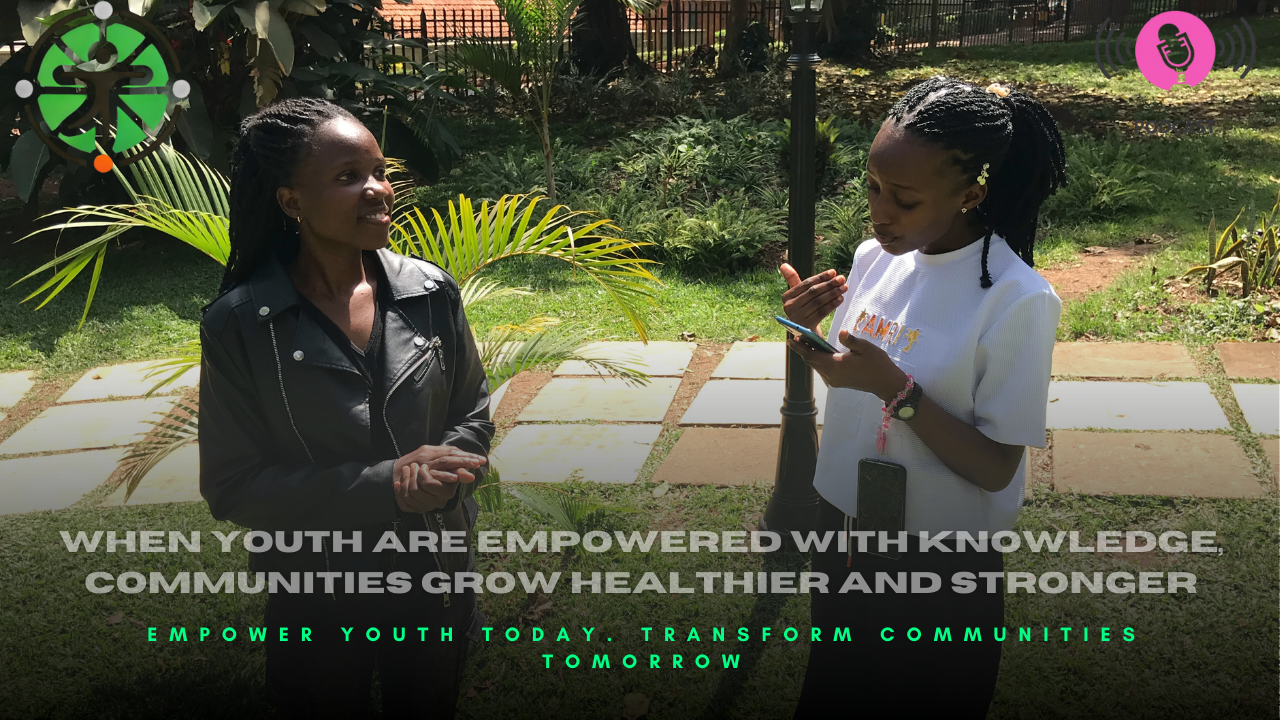
Young people are the heart of every community, in Uganda, when youth are healthy, informed, and empowered, entire communities grow stronger, safer, and more resilient.
Investing in the well being of adolescents is not just about helping individuals
It is about securing the future of families, villages, and the nation as a whole.
One of the biggest challenges facing rural communities today is teenage pregnancy and early child marriage.
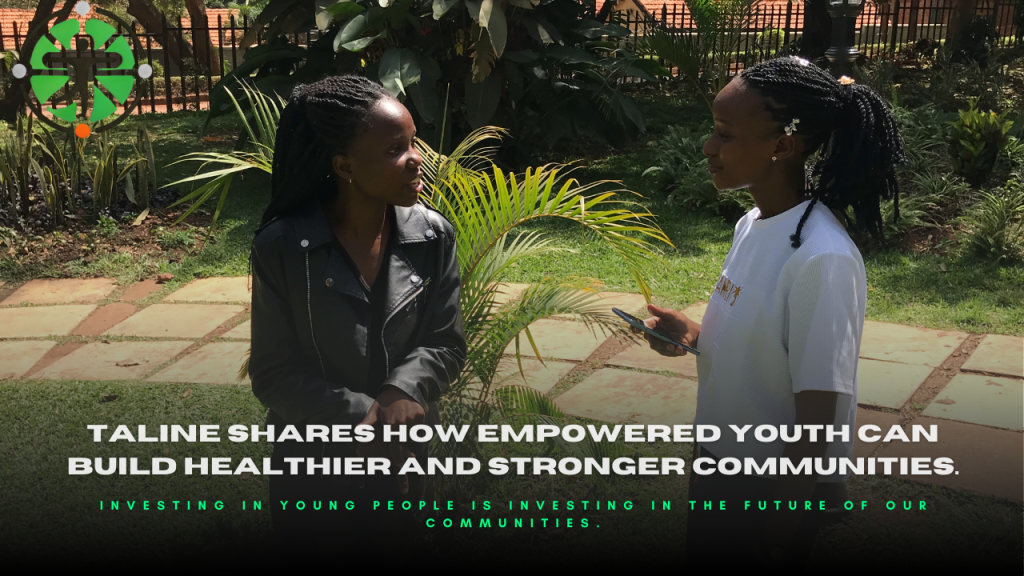
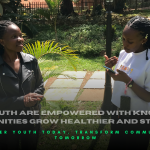
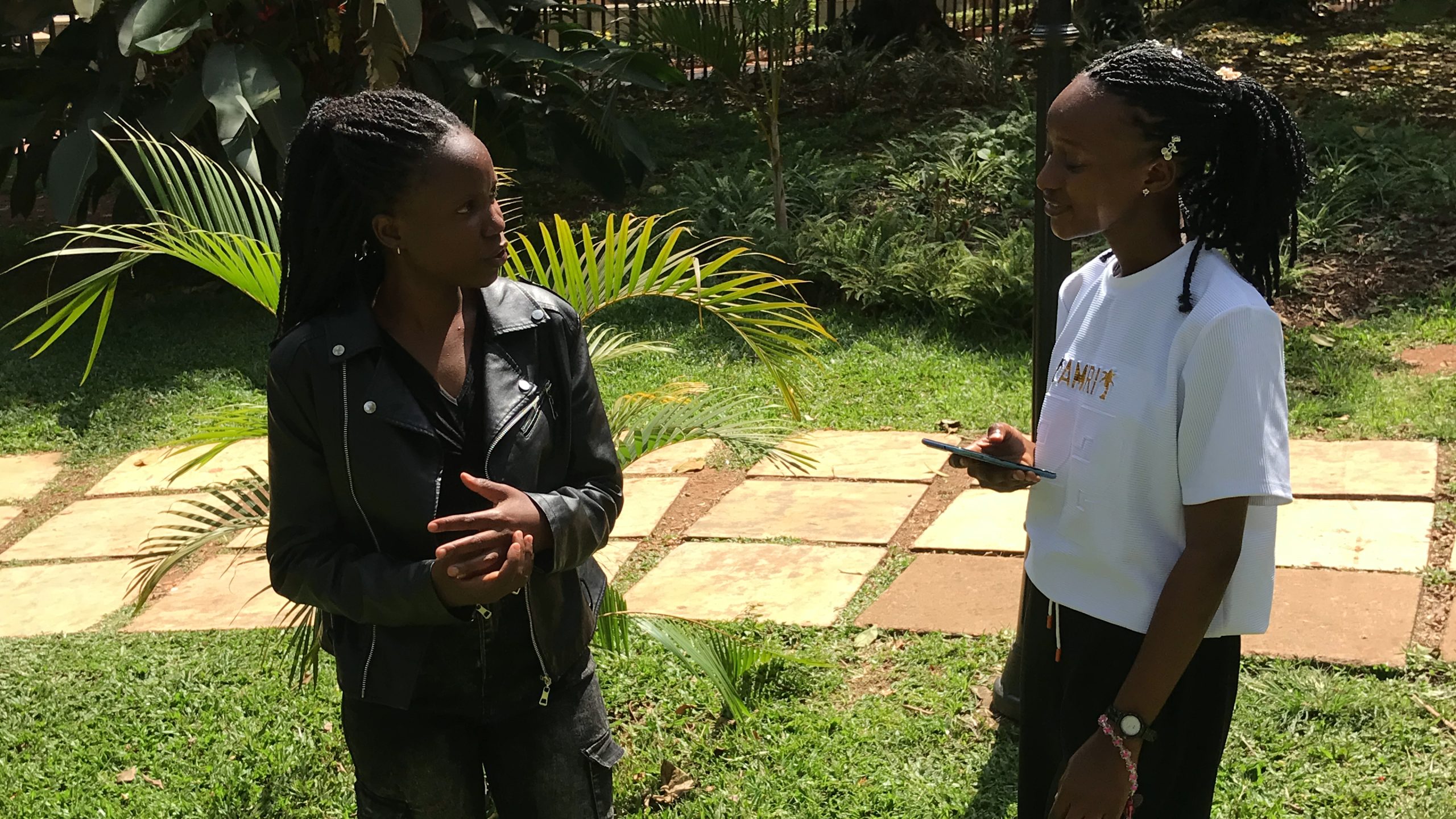
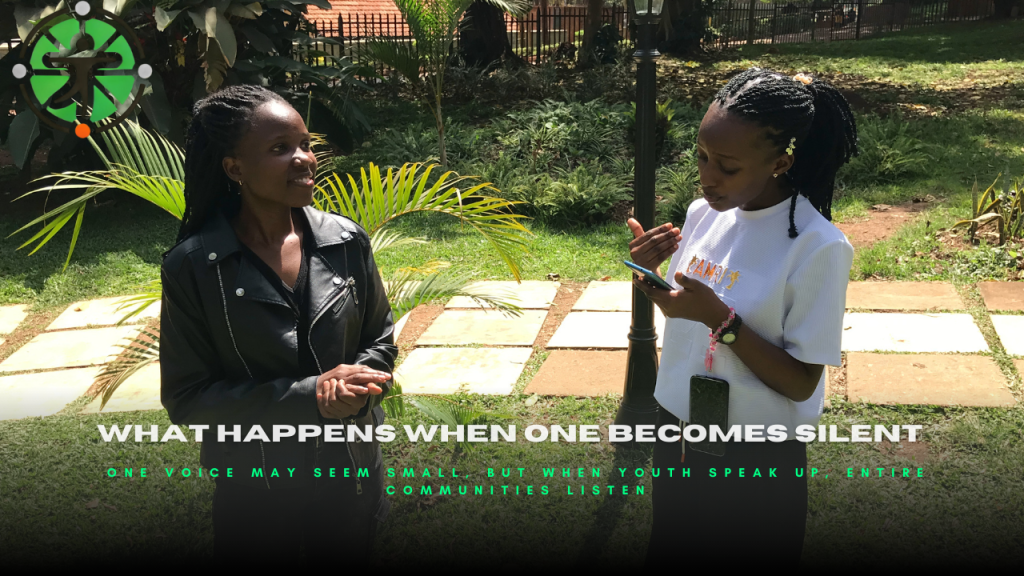
Taline shares how empowered youth can build healthier and stronger communities.
Knowledge empowers youth. Healthy youth build resilient communities.
These issues often limit education opportunities, affect health outcomes, and keep families trapped in cycles of poverty.
Many young people lack access to correct information about their bodies, relationships, and reproductive health.
As a result, they are forced to make life-changing decisions without proper guidance.
Empowering youth with knowledge about sexual and reproductive health and rights is a powerful solution.
When adolescents understand their health, their rights, and their choices, they are better prepared to protect themselves, plan their futures, and pursue education and skills development.
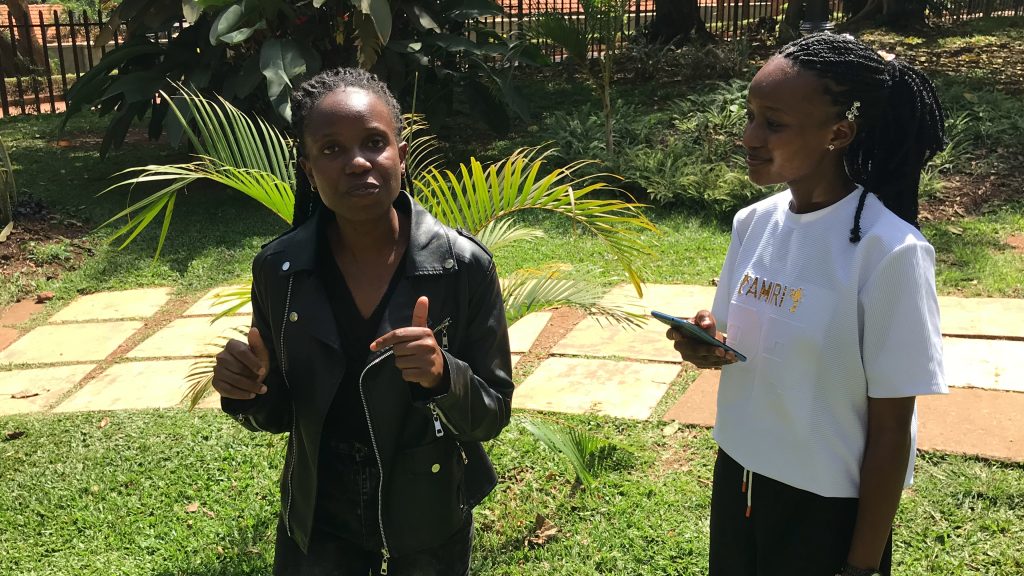
Knowledge uplifts youth confidence to say no to harmful practices and to make informed decisions about their own lives.
Youth empowerment also means giving young people a voice. When adolescents are encouraged to speak up, lead discussions, and engage in community projects they become agents of positive change.
Youth-led dialogues, peer education, and community campaigns help break harmful myths and cultural silence around reproductive health.
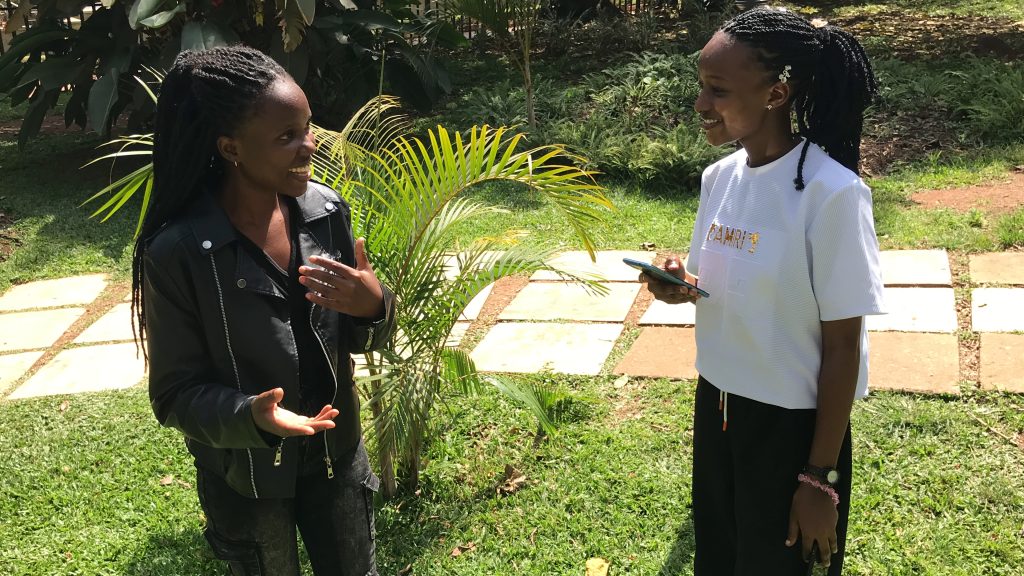
These conversations create safer spaces where young people can ask questions and seek help without fear or shame.
Another important aspect of building resilient communities is supporting innovative youth initiatives.
Young people can be involved in health-related entrepreneurship, such as providing basic health information, promoting hygiene, or connecting peers to available services.
These initiatives not only improve community health but also help youth develop skills, responsibility, and income-generating opportunities.
Community involvement is key to success. Parents, teachers, religious leaders, and local authorities all play an important role in supporting young people.
When communities work together to protect adolescents, discourage early marriage, and promote education, lasting change becomes possible.
Open communication between adults and youth builds trust and understanding, making it easier to address sensitive issues.
Access to youth-friendly health services is equally important. Adolescents need safe, confidential, and respectful spaces where they can receive accurate information and services.
Strengthening health systems in rural areas ensures that young people are not left behind and that their health needs are taken seriously.
Healthy youth contribute directly to healthy communities. When young people stay in school, delay early marriage, and make informed health choices, communities experience lower maternal health risks, reduced poverty, and stronger social structures.
Empowered youth are more likely to become responsible parents, leaders, and role models in the future.
In rural Uganda, creating healthy and resilient communities starts with investing in young people today.
By educating, empowering, and supporting adolescents, we build a foundation for sustainable development, improved health outcomes, and brighter futures for generations to come.
At LifeWellness Hub, we believe that every young person deserves the knowledge, support, and opportunity to thrive.
Empowered youth are not just the leaders of tomorrow they are the strength of today.